
Read more below about the two projects and how their leads Malte Ladewig and Chandrakant Singh see that Focali will contribute to enhance the project outputs, interactions with society and impacts. The purpose of the Formas call is to give promising early-career researchers appropriate opportunities for taking the next step in their careers, encouraging an interdisciplinary direction and developing independence.
CASCADE - Causal systems analysis of Congo Basin deforestation
Project leader Malte Ladewig
Project site: Physical Resource Theory, Chalmers University of Technology
Total funds applied for: 4,480,140 (3 years 2027-2029)
Keywords: Deforestation, Land system change, Congo Basin
Comment by Malte to Focali about the project:
Forest change is often a result of complex interactions between humans and the natural environment, which makes it challenging to uncover the underlying mechanisms that drive it. In the CASCADE project, I look forward to contributing to a more contextualised and in-depth understanding of the causal configurations of socio-economic and environmental factors behind deforestation in the Congo Basin. The research findings aim to support policy makers and civil society organisations in identifying relevant processes and actors to engage with in order to find solutions to the continuous loss of the second largest and most understudied of rainforests.
The role of Focali in the project: Through a planned collaboration with the Focali network in organising a workshop and publishing a policy brief, the research will be made visible to a wide range of actors in civil society, public, and private sector.
Mobility: I will have research visits planned with Aida Cuni-Sanchez at NMBU the Norwegian University of Life Sciences, with Elsa Ordway at University of California Los Angeles and with Patrick Meyfroidt at UC Louvain.
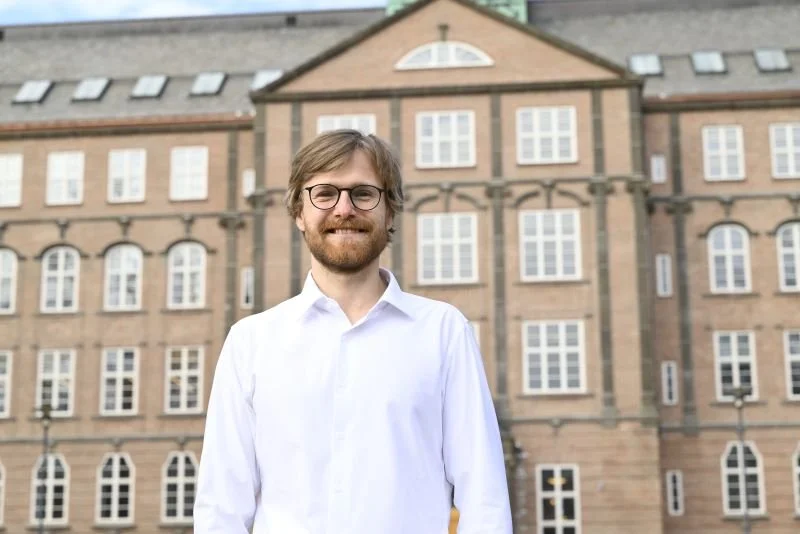
Malte Ladewig defended his PhD thesis "Mining, livelihoods and forest conservation in the DR Congo" at NMBU the Norwegian University of Life Sciences in April 2025. He had Focali member Arild Angelsen as one of the PhD supervisors.
The thesis investigates the interplay of mineral extraction, livelihoods and forest conservation in the Democratic Republic of Congo (DRC) and highlights the need of implementing effective ways of forest conservation without compromising the lives of people in the DRC read more here.
TRAP - Trading Rain for Agricultural Production:
Deforestation-driven water risks across global supply chains
Project leader Chandrakant Singh
Project site: Physical Resource Theory, Chalmers University of Technology
Total funds applied for: 5,995,653 (4 years 2027-2030)
Keywords: Agriculture-driven deforestation, Atmospheric moisture transport, Global supply chains
Comment by Chandrakant to Focali about the project:
Every year, millions of hectares of forests across the globe are cleared to produce the food on our plates. This deforestation doesn't just destroy biodiversity; it weakens a critical ecosystem service—rainfall. Forests capture rainwater and release much of it back into the air as moisture, which can fall again as rain. When these forests are removed, this rainfall-generating service is lost. This reduces rainfall not only where these forests stand, but also hundreds to thousands of kilometers away in regions that produce food for global markets. Critically, the country that loses the forest, the country that loses the rain, and the country that consumes the food can all be different—a three-way mismatch that current governance frameworks do not yet capture. This project aims to provide an integrated data-driven evidence quantifying how impacts associated with deforestation linked to global food production and consumption propagate through the atmosphere and global supply chains.
The role of Focali in the project: In my proposal I mentioned Focali as an outlet for project deliverables, as well as a platform to maximize both the project outputs and impacts. I believe Focali’s diverse network - which includes researchers from diverse biophysical and social domains - is critical to realizing our project's goals and disseminating its findings across broader, action-based networks.
Mobility: For this project, I will primarily be visiting and collaborating with Dr. Aria Staal Copernicus Institute of Sustainable Development, Utrecht University, the Netherlands, Dr. Boris Sakschewski Planetary Boundaries Science Lab, Potsdam Institute for Climate Impact Research (PIK), Germany and Dr. Victor Galaz Stockholm Resilience Centre, Stockholm University.
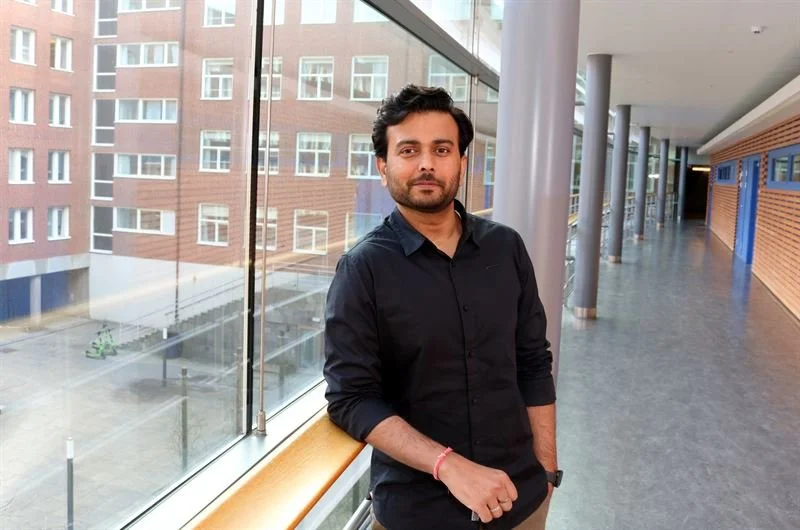
Chandrakant Singh has been a post-doc researcher at Chalmers for three years, where he among other topics has been collaborating with Focalimember Martin Persson on deforestation-carbon footprint of agricultural supply chains.
During his PhD at the Stockholm Resilience Centre he focused on how climate and land-use changes alter eco-hydrological feedbacks, focusing on how rainfall dynamics affect rainforest resilience and the risk of ecological tipping points. The new project will bridge and deepen his past research areas.
Photo: Chalmers University of Technology-Christian Löwhagen
Expanding land-use research group at Chalmers:
The two new Formas funded early-career researchers projects will further expand the vibrant land-use group at Physical Resource Theory, Chalmers University of Technology in Gothenburg Sweden where one of the founders of Focali Martin Persson is Head of Division since august 2026. The Focali research network has since 2008 collaborated closely with Martin and other researchers at Chalmers in science communication as policy briefs, short videos and facilitation of research – policy – practice interactions in different sizes and formats from smaller roundtables, referral responses to bigger events as the Focali annual meetings and international conference sessions. In a recent comment to Focali Martin Persson shared the value of collaboration with Focali for researchers at his division:
“Thanks to Focali it has over the years been easy to reach a wider audience with help arranging workshops and webinars, producing and distributing policy briefs, films, and more. This has been especially valuable for younger researchers, including my own PhD students and postdocs, who do not yet have a well-established network within academia and society at large. For them, Focali has opened doors to both research collaborations and dialogue with decisionmakers and practitioners - contacts that are hard to build on your own but that the Focali network has established by maintaining trustful relationships over many years, which is crucial for meaningful exchanges.”
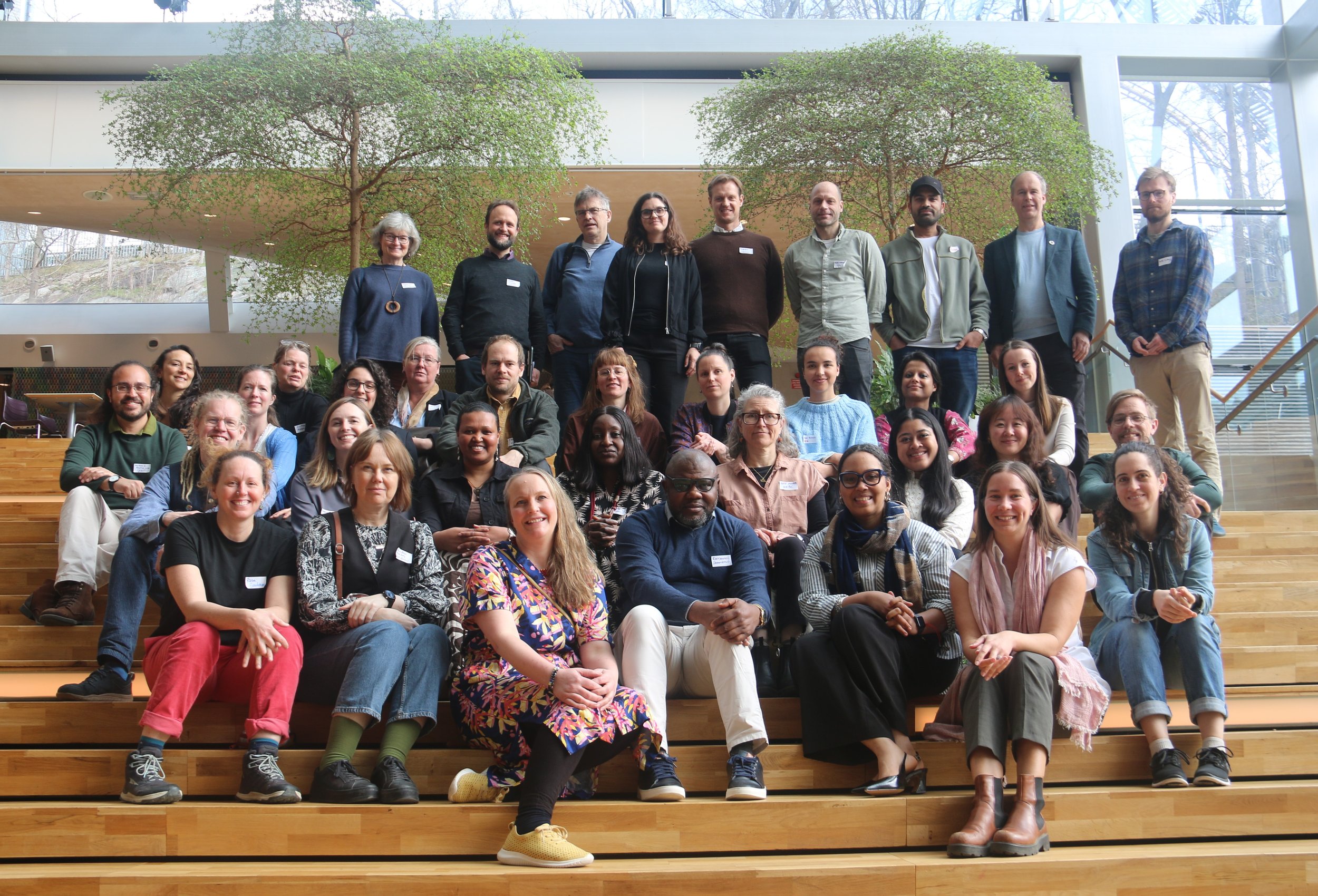
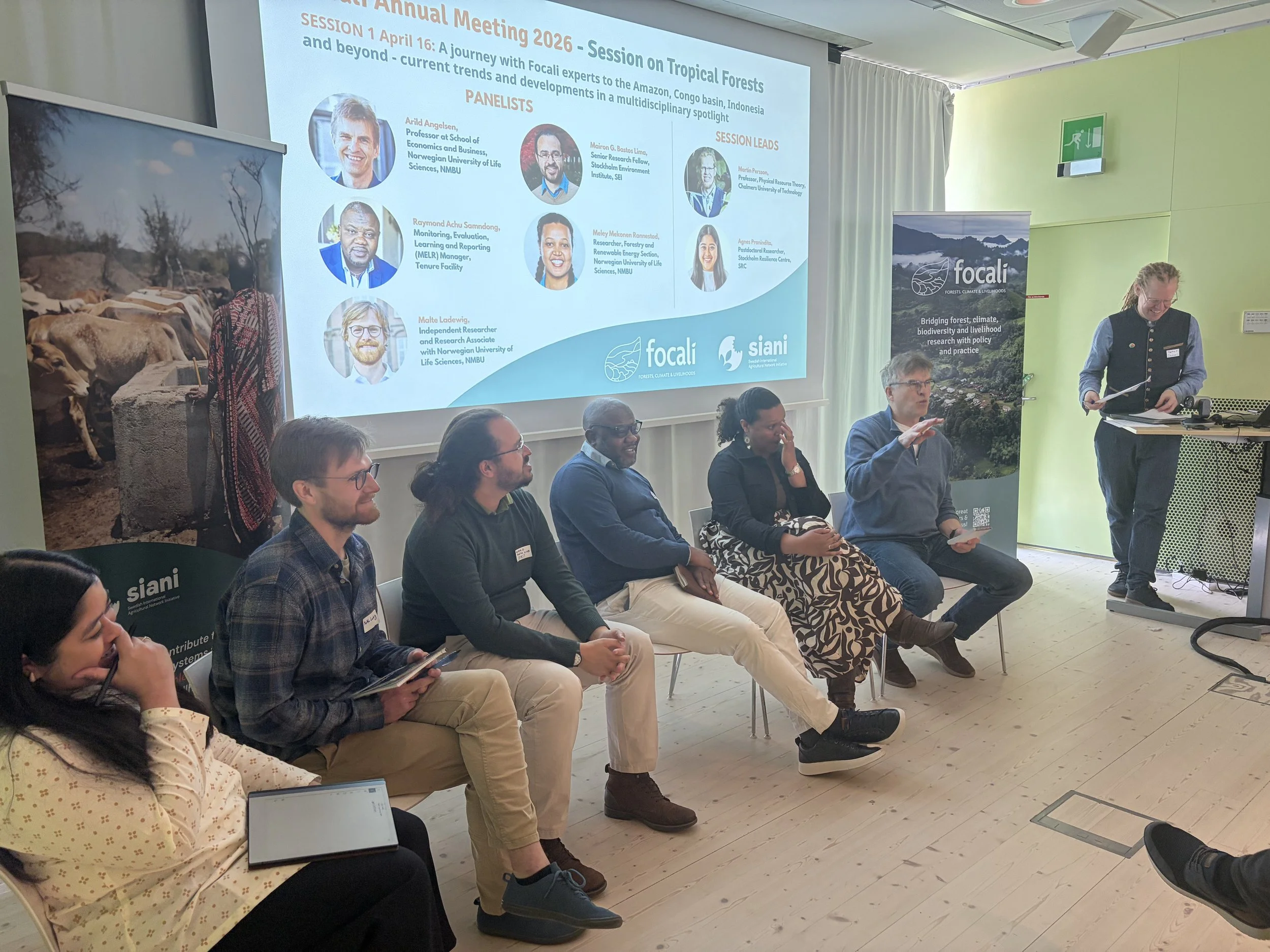
Photos above from the Focali annual meeting held in March 2026 with Martin Persson Chalmers moderating the session “Tropical forests regions - current trends, developments and policy in a multidisciplinary spotlight” in the photo to the right with grant awardee Malte Ladewig as one of the speakers together with Agnes Pranindita SRC, Mairon G. Bastos Lima SEI, Raymond Samndong the Tenure Facility, Meley Mekonen Rannestad and Arild Angelsen NMBU in Norway.
Related news - two new Formas funded research centers led by Focali members:
In addition to the two new projects at Chalmers, awarded the early career researchers Malte and Chandrakant, Chalmers was one of the applicants awarded grants in the Formas call “Pathways for climate transformation” for new research environments. Martin Persson was leading the application and will be the Director of a new centre titled CLIC - Climate Policy Innovation Centre. The project period is 2026-12-01 to 2030-11-30 and the total approved budget is 49 998 343 SEK.
From the English summary about CLIC: “Sweden and the European Union have legislated some of the most ambitious greenhouse-gas reduction targets in the world. Yet existing policy instruments in road transport and agriculture, the two largest sectors covered by the EU Effort Sharing Regulation, are widely judged insufficient to deliver upon them. The Climate Policy Innovation Centre (CLIC) is established to address this gap through the proactive design and rigorous assessment of novel policy instruments and packages capable of delivering the emission reductions Sweden's commitments to 2040–2050 require.”
Read more about all of the six new centers on the Formas website. In addition to CLIC one more new research environment awarded grants in the same call is also led by a Focali member - Wim Carton at Lund University Centre for Sustainability Studies (LUCSUS) and is called CREST - the Centre for Residual Emission Studies.
Stay tuned for more updates about the centers and the early career researchers. If you want to include Focali in your research or collaboration application, please contact the Focali Network Manager Maria Ölund maria.olund@gu.se to discuss what Focali can contriubte with and the value of including Focali as a partner in your project.