On this Focali “live” page reflections about and voices from the ongoing Biodiversity COP17 in Yerevan will be posted below as well as short Q&As with key actors and Focali members participating. As usual Focali together with partners will co-organize a COP17 post-match analysis webinar where some of these negotiators and participants will be gathered to share their “fresh from the oven” reflections on the discussions and outcomes of COP17. Join us on November 5 to participate in our next post-match webinar and bring your own questions about what actually happened in the negotiation rooms and corridors at COP17.
Day1 - 261019
QUESTION by Maria Ölund Focali:
“COP17 is the first global review of progress under the Kunming-Montreal Global Biodiversity Framework, how will the meeting review what has been done so far to reach the 2030 goals?”
The answer below was co-written by Linn Appelgren Senior advisor, International biodiversity policy at Swedish Environmental Protection Agency and Malte Timpte, CBD SBSTTA Focal Point, Senior advisor - International Biodiversity Policy at Swedish Environmental Protection Agency and part of the Swedish CBD delegation to COP17.
ANSWER:
“The first global review of collective progress in the implementation of the Kunming-Montreal Global Biodiversity Framework draws on the results and conclusions from the global report, which is in turn based on 129 national reports and over 3,500 national targets by parties on how they intend to and how they already have implemented the KM-GBF, together with reported commitments from more than 100 stakeholders on how they contribute to biodiversity action. The global report provides important insights into progress made, but sheds light on the remaining gaps and challenges that need to be addressed to achieve the 2030 targets.
The first review showed an unprecedented level of engagement of both parties and stakeholders, but also that more and accelerated efforts are needed to halt and reverse biodiversity loss until 2030. The report provides parties with proposed approaches to i.a. the need to address the underlying drivers of biodiversity loss; align economic and financial systems with biodiversity objectives; and to enable integrated approaches across biodiversity, climate, food, land use, water and health systems, drawing upon a nexus approach.
The global report also provided a rich summary of good examples from all over the world, which needs to be broadened and scaled up at a high pace. COP17 have the opportunity to draw on the results and call for further actions and efforts across all decisions that need to be taken to strengthen the implementation of the KM-GBF. This includes e.g. on resource mobilization, monitoring, the updated programmes of work on protected areas and on forest biodiversity and of course the decision on the global review and the Yerevan Pathway.
COP17 needs bold leadership to strengthen unity, bridge diverging views and most importantly, send strong signals on how to strengthen implementation to bend the curve on biodiversity loss and put nature on a pathway to recovery.”
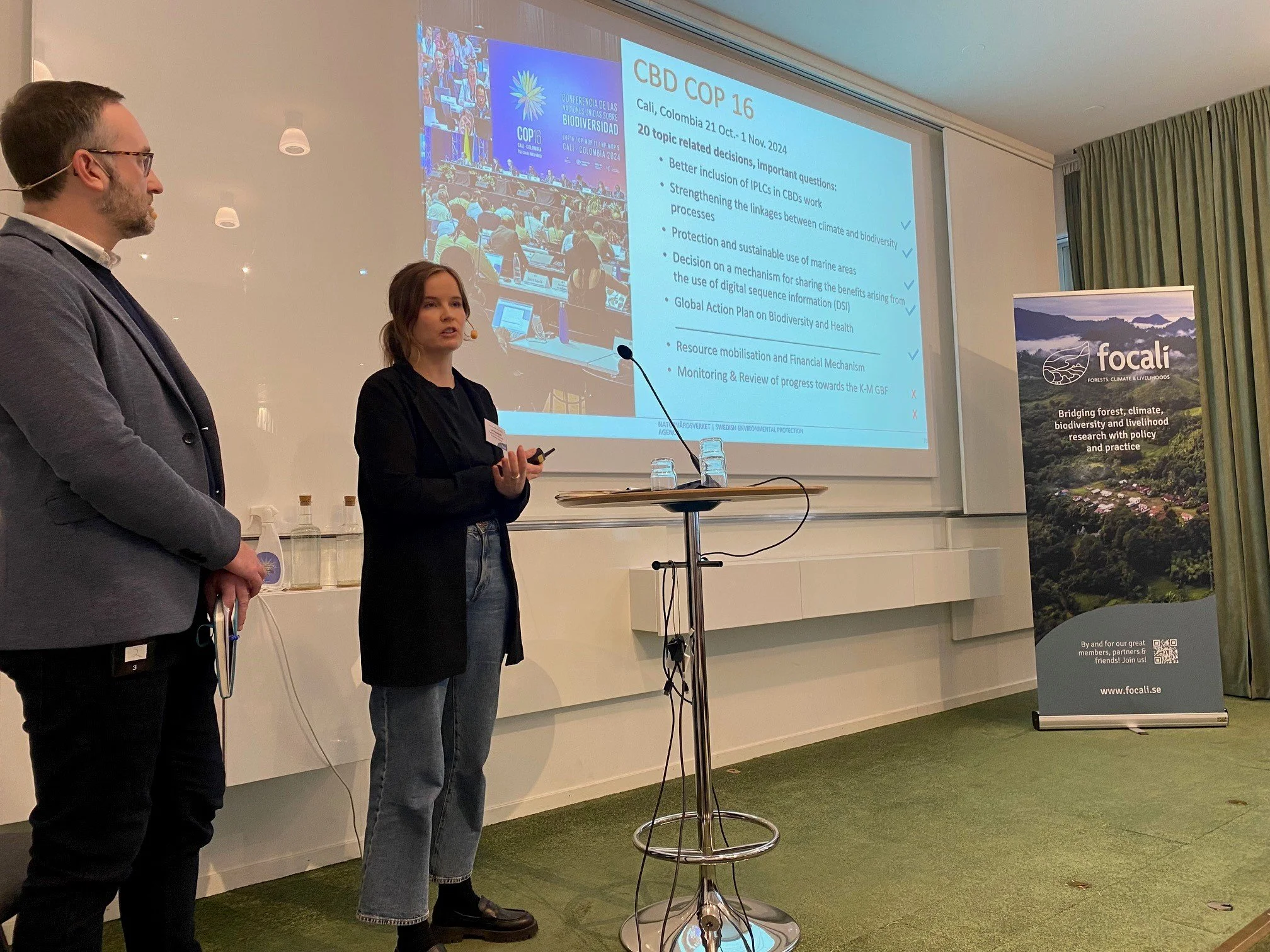
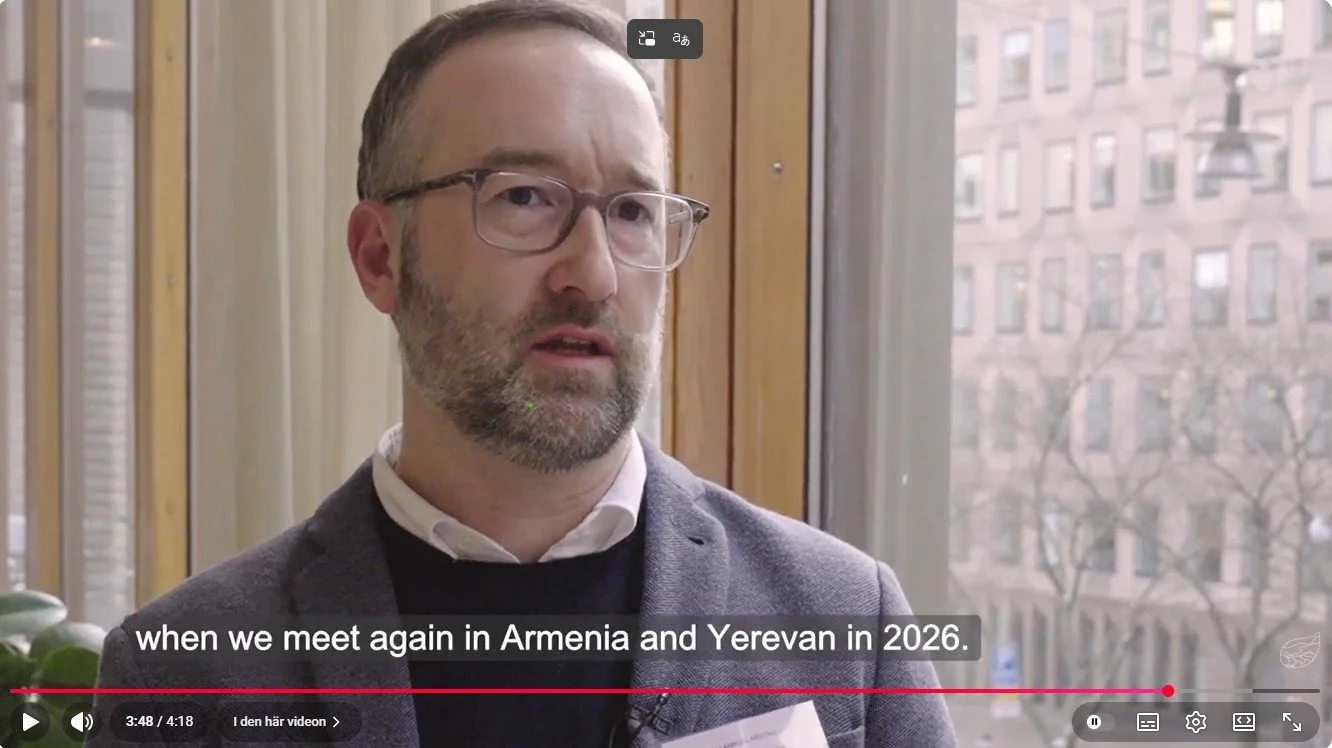
Related past presentation by Linn and Malte and video interview about the outcomes of COP16 in Cali and Rome from the Focali annual meeting 2025:
Malte Timpte & Linn Appelgren, Swe EPA | Updates from Swedish CBD delegation at COP16 Cali & Rome